Cascaded Maltese Condos-maltese-condos

Cascaded Maltese Condos repetition photography

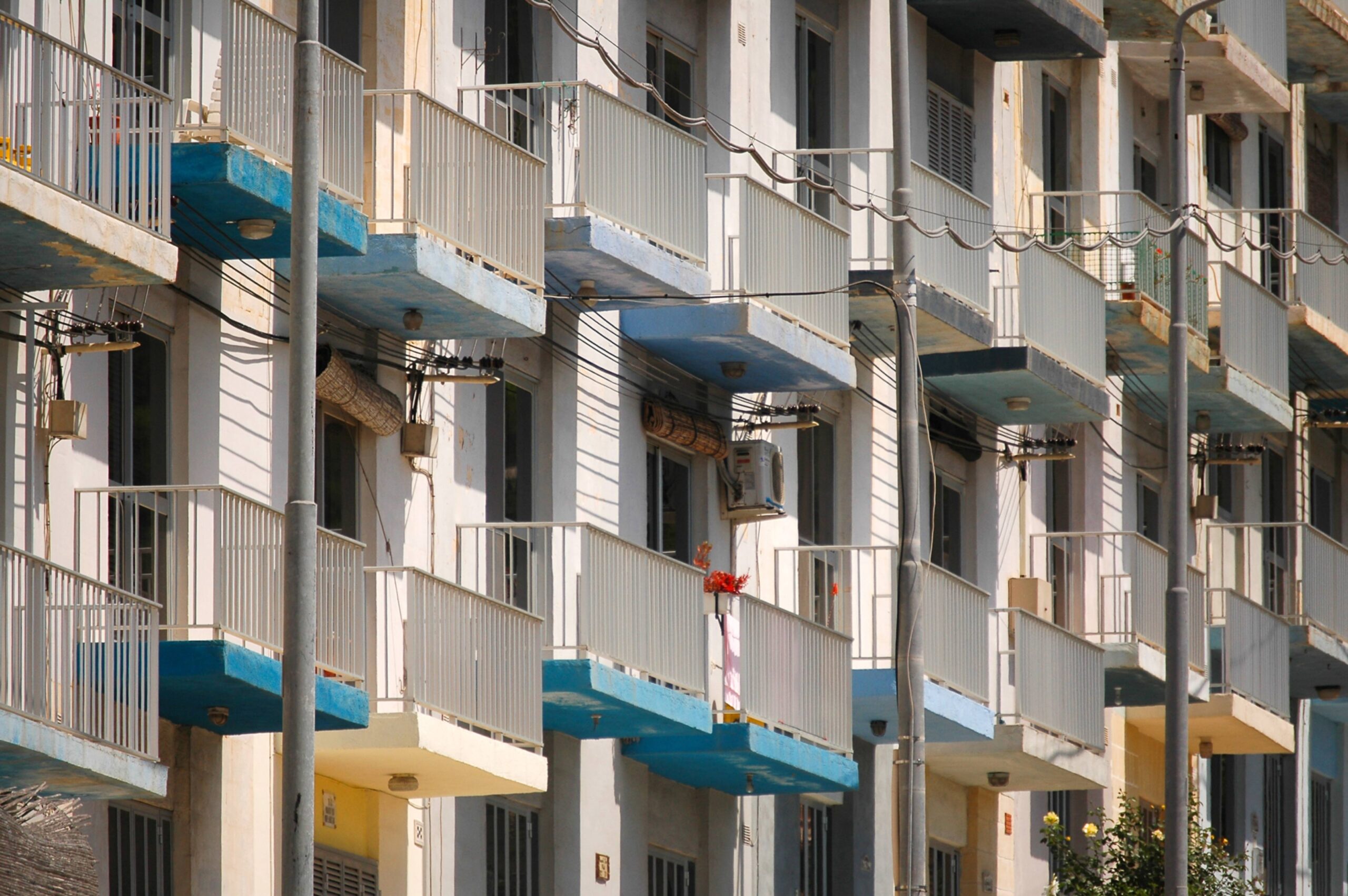
Repetition photography thrives on rhythm, structure, and visual harmony, and this image of Cascaded Maltese Condos captures all three with remarkable clarity. The frame is filled edge‑to‑edge with a façade of identical balconies, each one echoing the next in perfect alignment. This architectural pattern creates a hypnotic visual flow that draws the viewer deeper into the scene, making it a powerful example of how repetition can transform everyday structures into compelling photographic subjects.

The three residential levels form a clean, geometric grid that feels both modern and distinctly Mediterranean. The Maltese architectural style—defined by its warm tones, compact design, and functional balconies—adds character to the repetitive pattern. The uniformity of the building’s structure contrasts beautifully with subtle variations in shadows and light, giving the image depth without breaking its rhythmic consistency.

Repetition photography often highlights the beauty hidden in ordinary environments, and this condo façade is a perfect illustration of that principle. The repeating balconies create a sense of order and balance, while the cascading arrangement adds a dynamic, almost musical quality to the composition. The viewer’s eye naturally follows the rows, discovering new details with each pass.

This image is ideal for anyone exploring architectural repetition, urban patterns, or minimalist visual design. Its strong lines, symmetrical layout, and immersive perspective make it a standout example of how repetition can elevate architectural photography. Whether used for creative inspiration, design mood boards, or educational purposes, this photo showcases the power of pattern in shaping visual storytelling.

Cascaded Maltese Condos-maltese-condos
WATER

The Quiet Logic
of Water.

Water reveals itself in movements so subtle that they almost escape attention. It teaches that nothing in nature is ever truly still; even the calmest surface carries a quiet negotiation between depth and light. In its shifting forms, water becomes a reminder that change is not an interruption but a natural rhythm.

In every pattern shaped by water—ripples, reflections, the repetition of waves—there is a kind of gentle reasoning. It shows how softness can carve stone, how patience can redraw landscapes, and how transparency can still hold immense power. These textures are not merely visual; they are lessons in resilience and adaptation.

Jelly fish deeep sea background
Tropical Blue Ocean Water
Water Structure Texture Wall

To observe water is to witness a dialogue between chaos and order. It mirrors the world as it is, yet never stops transforming it. In its presence, we are invited to consider our own fluidity: the ability to bend without breaking, to reflect without losing shape, and to move forward even when the path is uncertain.

STONE

The Gravity
of Stone.

Stone stands as the earth’s most patient storyteller, shaped by pressure yet defined by its refusal to yield. It is both anchor and archive, a material that carries the weight of ages while offering a surface that invites touch. In its stillness, stone becomes a quiet contradiction: motionless, yet formed entirely by movement.

Every ridge and fracture reads like a metaphor for endurance. Stone is strength exaggerated, a solid echo of mountains compressed into a single form. Yet it also reveals its vulnerabilities—weathered edges, softened grains, colours faded by sun and time. It is permanence in negotiation, a reminder that even the hardest things are slowly rewritten.

Medieval City Wall Stones
Pyramid shaped stone wall pattern
Stone wall galleries and arches

Patterns in stone often mirror the tension between chaos and order. Minerals swirl like frozen storms, layers stack like forgotten chapters, and cracks trace the delicate balance between pressure and release. These textures are not merely visual; they are the geometry of resilience, the architecture of survival.

LIGHT

The Shape
of Light.

Light arrives as both revelation and disguise, a force that exposes the world while softening its edges. It stretches across surfaces like a storyteller, turning the ordinary into something staged, almost theatrical. In its brightest moments, light behaves like a sculptor, carving shadows that exaggerate form and texture, making even the simplest pattern feel deliberate.

There is a tension in light: it is weightless yet powerful, fleeting yet essential. It can sharpen a detail with surgical precision or dissolve it into a haze of suggestion. This duality gives light its narrative strength. It is contrast made visible—clarity against obscurity, warmth against coldness, presence against the promise of disappearance.

Sunset water reflection golden hour light
Sunset reflection in water lake golden hour light
The Pantheon dome with an oculus admitting the only light.
The Pantheon Dome Interior View Rome Italy
Pile of TL Lights

Patterns shaped by light are never static. They shift with the hour, bending around corners, stretching across stone, water, or glass. These movements create a rhythm that feels almost alive, a choreography of brightness that reveals how deeply perception depends on illumination. Light does not simply show us the world; it edits it, curates it, and sometimes even contradicts it.